.svg)

Latin America: the channel that drives most of your revenue is the one you can't see

September 29, 2026
Chapter two of the Execution Gap series. Read the pillar first: The Execution Gap, why it looks different in every market.
The blind spot everyone works around
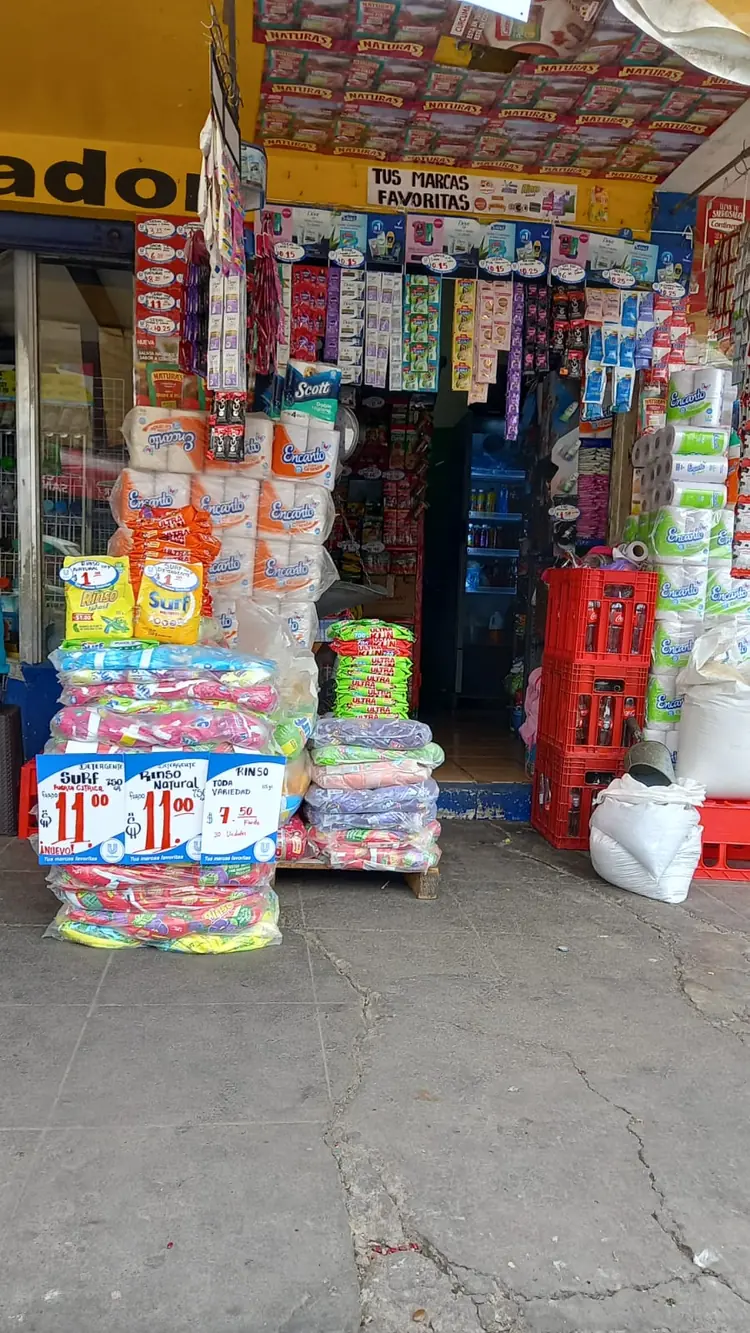
Walk into any large Latin American CPG and you'll find sophisticated tooling pointed at supermarkets. Planograms, share of shelf, promotion compliance dashboards, syndicated price reads. Then look at traditional trade, the channel that actually carries the volume, and the tooling thins out to almost nothing.
The imbalance isn't an oversight. Modern trade got measured first because modern trade is measurable: fewer stores, standard fixtures, co-operative retailers, clean data. Traditional trade is the opposite of all four, so the industry built its instruments where the light was good, then kept using them long after the revenue moved.
The scale of what stays dark is the part that surprises people.
- An Argentine confectionery manufacturer reaches roughly 200,000 points of sale through 180 exclusive distributors. Only the top 20,000 get a dedicated merchandising visit. The other 180,000 outlets sell the product with no execution measurement at all.
- A tobacco major runs a single commercial territory spanning 36 countries. In one Andean market alone it fields around 650 people, plus 500 more through third parties. Roughly 90% of the stores they cover are small independents and execution logging is fully manual.
- A Colombian pet nutrition business covers the entire country with two dedicated merchandisers, each visiting about 120 outlets roughly every six weeks. Everything beyond that is a sales rep doing execution work between selling.
- A Brazilian dairy business runs a 900-person field force with about 70% of volume in modern trade and a board-level mandate to grow traditional trade, so it has no execution data in the channel it has been told to win.
None of these are badly run companies. They're well-run companies operating with an instrument that doesn't reach most of their revenue. As one regional distribution leader put it in the pillar piece: "We never will have enough people." That's the honest constraint: you can't audit your way across a million stores. The question is which stores you choose to reach, not how many people you can hire.
Why it stays invisible
Two things keep traditional trade dark and only one of them is about cameras.
1. The field stack is split down the middle. Most large Latin American CPGs run two execution models in parallel: direct channel, own reps, some automation; indirect channel, third-party distributors and contracted merchandising agencies, manual everything. One Brazilian household goods manufacturer runs image recognition on its direct channel and has agency staff eyeball the indirect channel by hand, then report back in a spreadsheet. There's no shared intelligence layer, so the two halves of the business are measured to two different standards and neither rolls up into one view of the shelf.
It gets harder when the incumbent field app won't open up. A Brazilian dairy business found its SFA vendor unwilling to expose captured images to any third party, which meant the data its own reps collected was effectively locked inside someone else's product. Execution data a company can't get at isn't an asset. It's a liability with a subscription fee.
2. The images are genuinely hard. Photos from distributor staff and third-party agencies arrive (when they do arrive) angled, distant, badly lit and inconsistent. Then add product categories that defeat naive recognition entirely. One manufacturer's previous image recognition pilot collapsed on cut and shaped cheese: different sizes, different shapes, different stamps, no reliable barcode face. The vendor couldn't read the category, so the programme died.
This matters commercially, not technically. Feasibility in this region isn't "can you recognise a bottle on a clean shelf", it's "can you recognise our hardest category, in our worst photos, from our least motivated capture source". That's the question worth putting to any vendor before accuracy percentages are discussed.
The lag nobody budgets for
Where measurement does exist, it's usually late. It's also two different things wearing the same name.
A field audit is a person visiting a sample of stores and scoring what they see. Syndicated or EPOS data is the sales outcome: read weekly, at channel level, a census in modern trade but only a sample in traditional. Sales data tells you what happened. Execution is what produced it. Neither stream moves fast enough here, for different reasons.
Take the field audit first. The standard regional model is a third-party auditor who visits a sample of stores, scores execution and delivers a report around 30 days later. That cadence made sense when there was no alternative. It does not survive contact with how fast retail actually moves. A promotion runs for two weeks. The audit lands two weeks after it ends, so you're reading a careful, accurate report about a window you can no longer touch.
The pattern repeats across categories. The failure mode is more uncomfortable than simple delay.
- The Argentine confectionery manufacturer collected six photos per store across 20,000 stores in a single month. That's 120,000 images routed to head office staff to approve or reject by hand. Faced with a queue that size, reviewers approve without looking. The company is paying to collect evidence it has no capacity to read.
- The Colombian pet nutrition team collects a proof-of-execution photo on every visit and nobody ever opens them. The KPI answers are whatever the rep typed into the form. The photo exists to make that feel verified.
- A Brazilian foods business runs mature sell-out prediction models on syndicated data that arrives late, sits at channel level and averages promotions into a single blended figure. The models are good but they're fed assumptions about execution that nobody has checked.
That last one is the quiet killer. It applies well beyond Latin America. Most CPGs run execution blind, assume the plan was followed, then feed that assumption back into next quarter's planning. The error compounds and the gap between what HQ believes and what the shelf shows widens every cycle. No single report ever reveals it, because every report is built on the same assumption.
What the gap actually costs
This isn't a reporting inconvenience. It's trade spend leaking into a channel nobody can measure.
Run the arithmetic on the Argentine example. Dedicated merchandising reaches 10% of the outlet base. Trade spend reaches all of it. In our previous article we showed a bottler that assumed 90% promotion compliance and found closer to 50% once the images existed, in a channel it was actually measuring.
Carry that gap across as an illustration rather than a forecast. Forty points of compliance, applied to the 180,000 outlets nobody visits, is roughly 72,000 stores being paid for a promotion that didn't run as planned. The true rate is unknown because nobody has ever checked it. There's no reason to expect it to be better in the stores nobody visits than in the ones that were measured.
You don't need a precise number for that to change a budget conversation. The industry spends heavily on promotions in this region and evaluates them against sell-out data that can't distinguish a promotion that ran from a promotion that was paid for and never appeared. Every one of those is a full-price sale converted to a discount for no commercial reason, plus the display cost, plus the volume that never arrived.
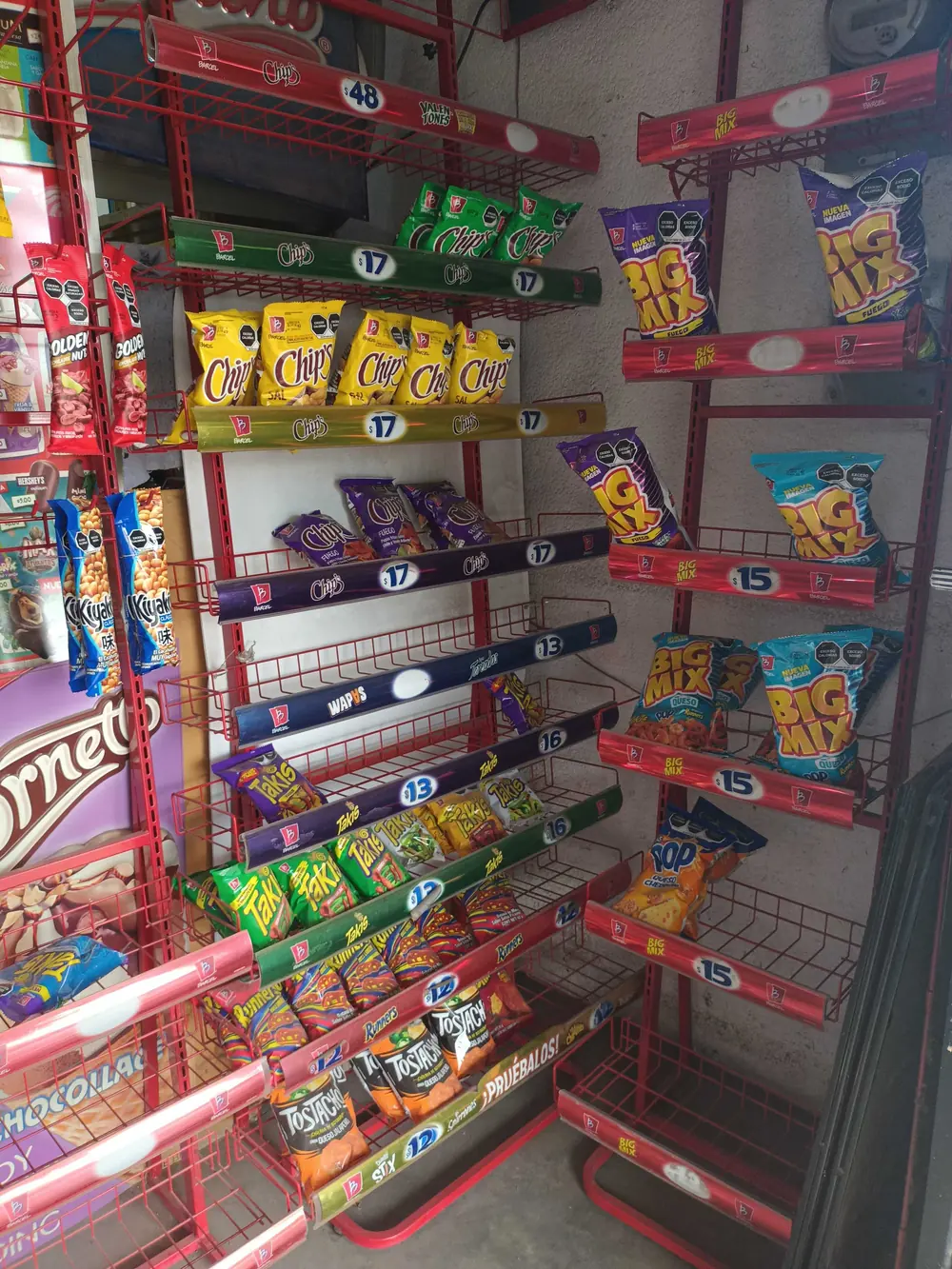
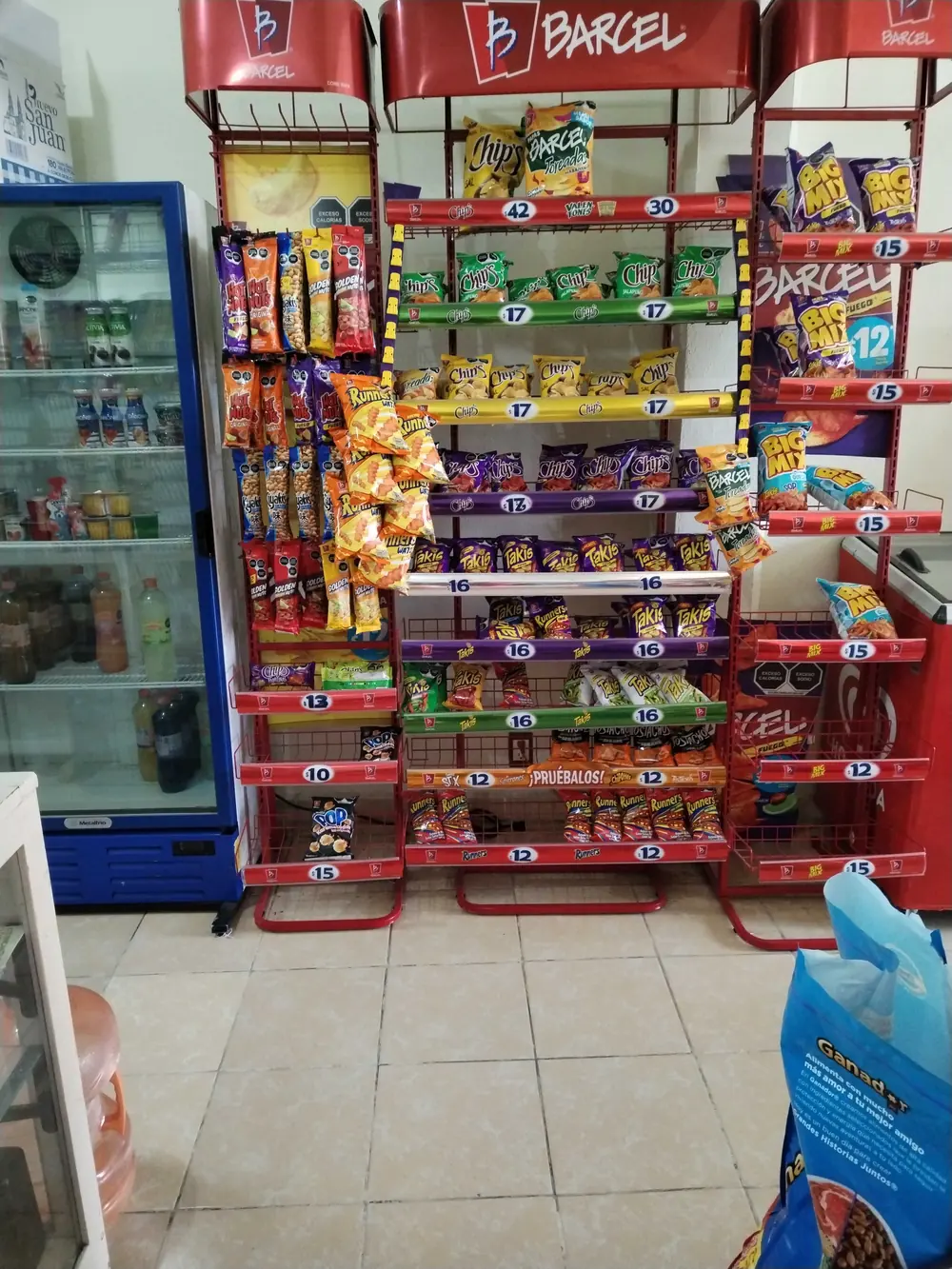
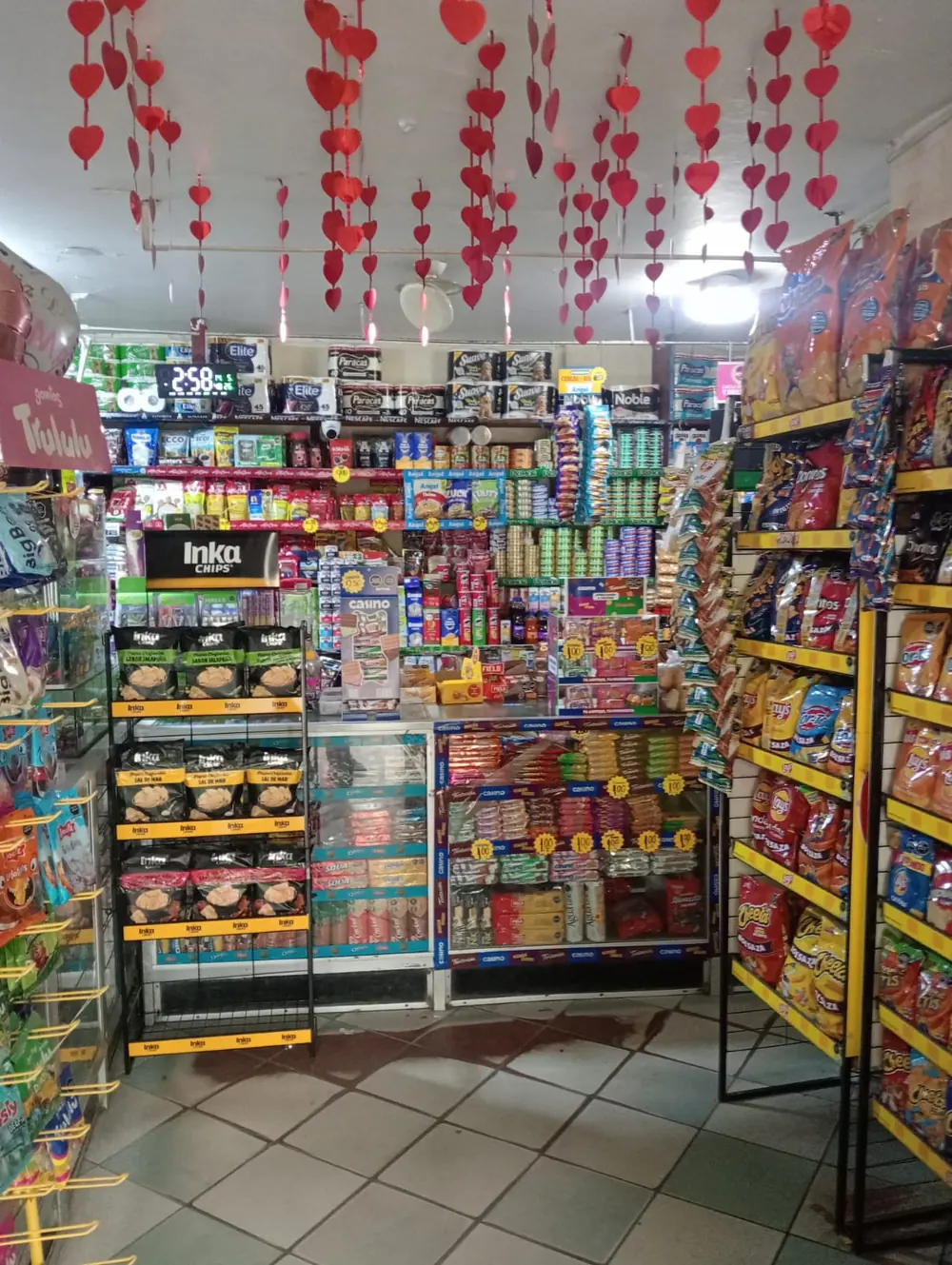
The shelf is only part of what gets paid for. A large share of trade spend here activates off the base planogram: chillers and coolers, front-of-store stacks, gondola ends, queue-line and impulse fixtures, branded POSM in a shop the size of a garage. Those are precisely the placements a syndicated or EPOS read is least able to see, because a unit scanning at the till looks identical wherever in the store it sold from. The spend is specific, the read is not. An execution programme that only checks facings on a base planogram is measuring the cheapest part of the investment.
From measuring the past to changing the next visit
The fix isn't a faster audit. It's a different loop.
The Execution Maturity Ladder in our previous piece runs from Level 0, no data in your biggest channel, to Level 5, front-of-store and back-of-store sharing one signal. Most Latin American programmes sit at 0 or 1. The jump that pays first is from 1 to 3: from measuring the past to changing the next visit.
In practice that means three changes.
Read the channel you actually sell through. Coverage has to follow revenue rather than convenience. If 70% of volume moves through independents, an execution programme that only reads modern trade is measuring the minority of the business precisely. The goal isn't every store, which nobody can afford. It's a store universe you choose deliberately, widened by making each visit faster and by pulling evidence from outlets a rep would never reach.
Give the rep the answer in the aisle. A read that lands in a head office dashboard tomorrow doesn't change what happens in the store today. "You're missing two SKUs from this set, fix it now" is worth more than a monthly scorecard, and it works best ranked by the volume each fix protects rather than served as a flat list. One traditional-trade field team we work with moved from 11 store visits per day to 13 by removing manual capture work, a 20% productivity gain from the same headcount.
Send the same truth to HQ at the same time. The rep fixes the store. Trade marketing sees which promotions actually ran, RGM sees whether the price architecture held and supply chain sees the availability that drives the next order. One signal, four decisions, no reconciliation meeting.
That's Execution Intelligence. In this region it starts by pointing the instrument at the channel that carries the volume.
The gate before accuracy is governance
Everything above assumes the hard part is measuring the channel. Often it isn't. The hard part is getting the programme approved.
Three questions decide whether an execution programme can be deployed at all and none of them is about recognition quality.
Who is allowed to hold the image. The Argentine manufacturer above had already cut a previous supplier over this. The use case worked, the commercials were fine, then IT required that store photos stay on company infrastructure. That was the end of it. This gate gets a chapter of its own later in the series.
Whether the output fits the model you already have. One confectionery major running a Mexican pilot set the requirement before the first store visit: recognition output had to match the global data lake schema, so the same feed could serve other markets later. The alternative is a programme that produces excellent numbers nobody can join to anything.
Who has to say yes. At one Peruvian manufacturer the programme had to clear IT, cybersecurity, data governance and legal before a contract could be signed. At a multinational a global standard already exists and the local team can't waive it. Which is why a commercial lead covering dozens of markets who resists a thirty-first application isn't being obstructive. They're being governed.
Ask these of any vendor before the demo. A programme that answers them first deploys faster than one that wins on accuracy and then discovers the approval chain won't have it.
Where this leaves you
The Latin American execution gap isn't one problem. It's three and they compound. Most of the revenue moves through a channel nobody measures, what does get measured arrives after the window has closed and the programme that would fix either of those has to clear gates that have nothing to do with how well anything is recognised.
None of that is exotic and none of it needs technology that doesn't exist yet. The gap stays open because the instrument was pointed at the easy channel first and never moved.
So start with one honest question: what share of your volume moves through outlets you hold no execution data on? Most teams can't answer it. The ones who can tend to stop arguing about accuracy and start arguing about coverage, which is the more useful argument to be having.
What's next in the series
Two chapters follow.
Next, the series crosses to Europe, where the gap inverts. Latin America's problem is that most of the volume generates no data at all. Europe's is the opposite: grocery is concentrated into a handful of chains and hard discounters per country, so the data largely exists. The difficulty is that there is no single Europe. Around thirty separately concentrated national markets, each with its own leading retailers, formats, planogram logic, pricing rules and language, plus a long independent and on-trade tail that never rolls up into one view. One execution standard, thirty different readings of it. Written by our EMEA lead, who sits across the table from those buyers.
Then Who owns the image comes back to the first governance gate and takes it on its own: why data residency now decides Latin American deals before accuracy is ever discussed, plus what an architecture that reads without retaining gives the buyer that a vendor-hosted one can't.
You can't close a gap you can't see. Start by measuring yours.
The Execution Gap: 2026 Execution Intelligence Guide pulls the full picture together: what the gap costs the industry, why month-old audits keep missing it and what closing it looks like across shelf visibility, promotions and pricing.
Download the guide →
FAQ
Why is traditional trade so hard to measure?
Three reasons compound. The channel is fragmented across hundreds of thousands of small outlets with no standard fixtures, so no sample is representative. Capture is delegated to distributors and agencies whose incentives reward volume of photos rather than quality. And no existing data layer covers the channel, so there's nothing to validate a new read against. The result is that most manufacturers know their traditional trade sell-in precisely and their traditional trade execution not at all.
What is share of shelf?
Share of shelf is the proportion of visible shelf space a brand occupies in a given category at a given store, usually counted in facings. It matters commercially because it's the closest in-store proxy for how a shopper actually experiences your brand relative to competitors. It's also the variable a field team can change on the day. In traditional trade it should be read store-wide rather than planogram-only, since so much of the spend sits in coolers, stacks and queue-line fixtures.
Can image recognition work with low-quality field photos?
Yes. It has to, because in this region most photos come from third parties. Two things make the difference. Capture guidance in the app prevents the worst shots at source rather than rejecting them afterwards. And the recognition layer has to be trained on the messy reality of the category, including the hard cases like shaped, stamped or unbranded product, rather than on clean studio shelves. The right test is your own worst images, not a vendor's demo set.
How fast can execution data actually be?
Fast enough to change the visit. Image results return in under 30 seconds in the aisle, so a rep corrects the shelf before leaving the store. HQ sees the same signal on a daily refresh rather than a monthly report. Continuous reads are possible where fixed cameras make sense, but next-visit cadence is the step that captures most of the value.
Isn't a monthly audit good enough for a stable category?
Not if you promote. Promotions, resets and competitor activity all move faster than monthly. Those are the moments when execution swings hardest and money is most at risk. A monthly audit is a reasonable way to track a slow-moving distribution baseline. It's a poor way to protect a two-week promotion.

Related Resource
%20(1).png)

.svg)
Get the latest Execution Intelligence news and resources direct to your inbox
Industry insights, retail intelligence and field-tested execution playbooks, so you always know what's happening in store.
.png)

.svg)

© 2026 Neurolabs. All rights reserved

