.svg)

The Execution Gap: why it looks different in every market

August 18, 2026
What this series will cover
- Americas / LATAM: the traditional-trade blind spot, the 30-day audit lag and why old pricing models break here.(Coming next.)
- Americas / US: the same gap in a crowded, sophisticated market and where the real near-term ROI sits.
- EMEA: the European texture: local-trade dominance, retailer concentration, regulatory and trade context. (With our EMENA lead.)
- Who owns the image: the data-residency question that decides a growing number of LATAM deals before accuracy is ever discussed and the architecture that reads without retaining.
The number that started this
A major North American bottler ran the analysis on a set of promotions. Head office assumed compliance was running at roughly 90% but when the images finally showed the truth, actual compliance was closer to 50%.
Sit with that for a second. Half the stores in a paid, planned, funded promotion were not running it as designed. The brand had already spent the trade money, the uplift simply never arrived and until the data existed, nobody could say why.
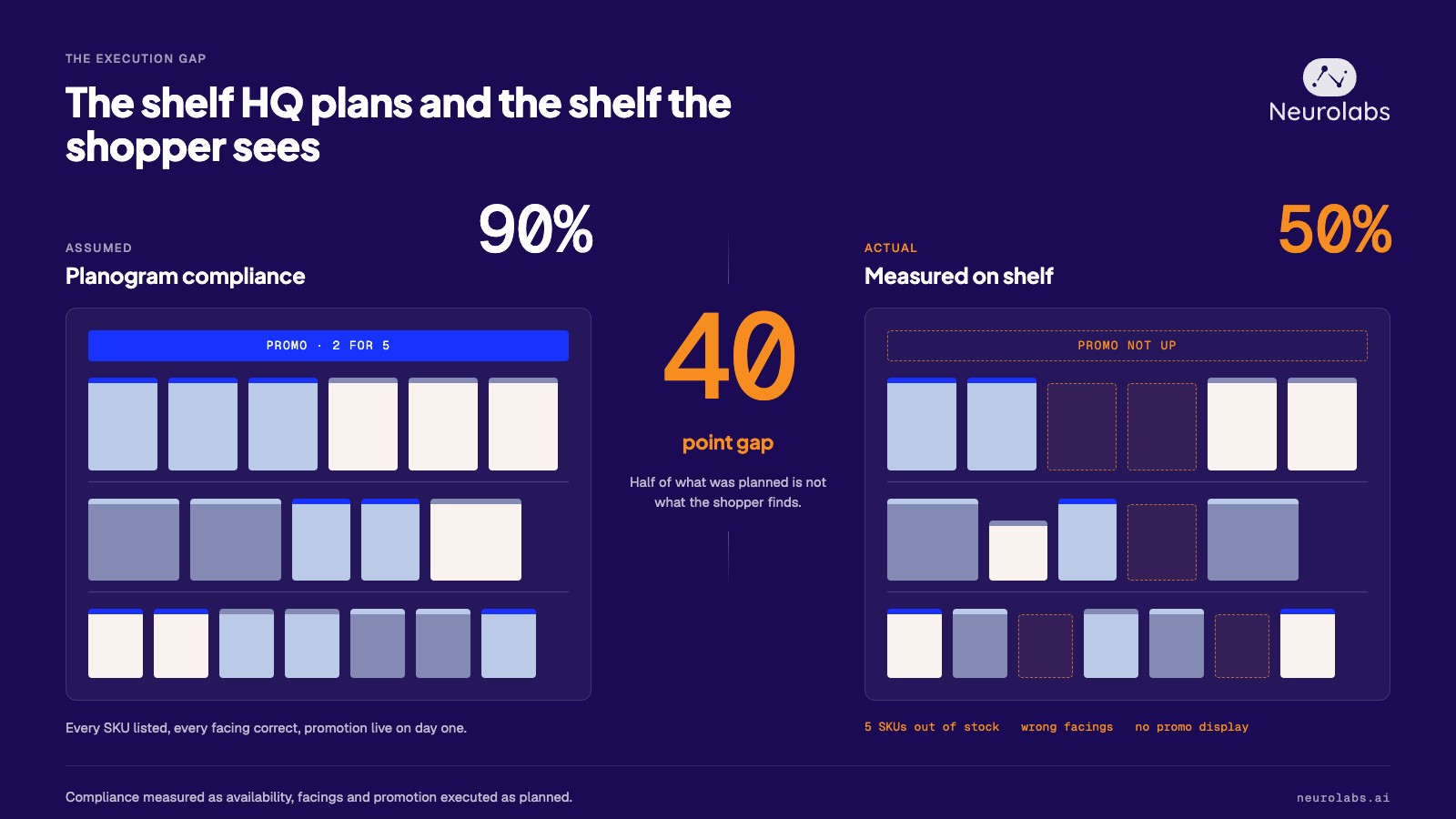
That is the execution gap: the distance between the plan and the shelf. It is not a technology problem or an IT problem. It is a revenue problem and it is one of the largest uncounted line items in commercial performance. In North America alone, the beverage system spends upward of $1.5 billion a year on promotions, much of it against flat or negative ROI. A 5 to 7% improvement on that spend is not a rounding error, it is the whole business case.
The universal symptom: data-rich, action-poor
Here is the trap most companies are actually in. They are not short of data. In fact, they are drowning in it and starving for next best action.
"We are getting tons of signals. We are overloaded with the message that our execution is very effective. The question is: so what? Who can make the difference?"
Chief AI Officer, Global CPG
That is the sound of the gap. Cameras are capturing, audits are running, dashboards are green and none of it changes what the rep does at the next store because the feedback arrives too late, in the wrong format or with no clear next action attached. The problem was never capturing the image, it was always closing the loop before the window to act has passed.
Two more truths sit underneath it:
The industry says accuracy is commoditised. We'd challenge that.
- "Everyone says they're 95% accurate. That's a given in today's market. It's no longer a differentiator," as one global spirits buyer put it. That is the prevailing view and it is worth pushing back on for two reasons. First, accuracy is the cornerstone, not the ceiling: the more weight you put on insights and next-best-actions, the more everything downstream depends on the recognition layer. Second, accuracy at scale is still genuinely hard. Claiming 95% on a clean pilot is easy but holding it across millions of images, thousands of SKUs and the mess of real stores is where much of the market quietly falls short.
Visibility only pays when it reaches the aisle and HQ at once, in near real time.
- A read that lands in a head-office dashboard a day later does not change what the rep does at the next store. A rep who spots a gap but can't roll it up does not help HQ steer spend. The gap closes only when the same truth reaches both, fast: the rep gets "you're missing two SKUs from this set, fix it now" before leaving the store and HQ sees the same signal in time to move trade money and priorities while it still matters.
Why the gap keeps widening: more hands on the shelf
Execution used to be one team's job, it isn't anymore. The same store visit now matters to sales, trade and TPM, RGM and supply chain all at once. That is progress, because the same shelf truth is genuinely useful to every one of them. It is also why the gap is getting harder to close.
Each team wants something different from the same photo. Sales wants volume and distribution, Trade marketing wants proof the promotion it paid for actually ran, RGM wants price and pack architecture holding on shelf and Supply chain wants availability and the right replenishment. When those priorities live in separate tools and separate reports, there is no single source of truth about what is happening in the store and no single owner of fixing it. The gap is not only a measurement lag, it is organisational with four teams looking at four versions of the same shelf.
This is exactly where the technology earns its place. One accurate, shared execution signal becomes the common language the whole commercial organisation can act on: not another dashboard for one function but a single truth that sales, trade, RGM and supply chain each read for their own decision. Unifying those teams around one view of the shelf is as much of the value as the recognition itself.
Why it's universal but never looks the same
The gap exists in every market but a Sales Ops leader in Atlanta, a shopper insights lead in Mexico City and a commercial director in Central Europe would each describe it in completely different words because the shape of the gap is local.
In the US, the gap hides behind maturity and noise. The market is crowded and the buyers are sophisticated. "The US market is crowded. There are only so many consumer goods companies that will invest in this space and the first movers are already there," as one strategy consultancy partner described it.
Execution tooling exists but it is fragmented and often stops at measurement. The frustration is subtler: reps lose 30 minutes of survey work when the connection drops, feedback lands a day later when the rep has already left and nobody can tell the rep in the moment that the display is missing half its SKUs. As one US bottler execution lead put it, real-time correction "is worth the change management." The gap here is not invisibility. It is latency and follow-through.
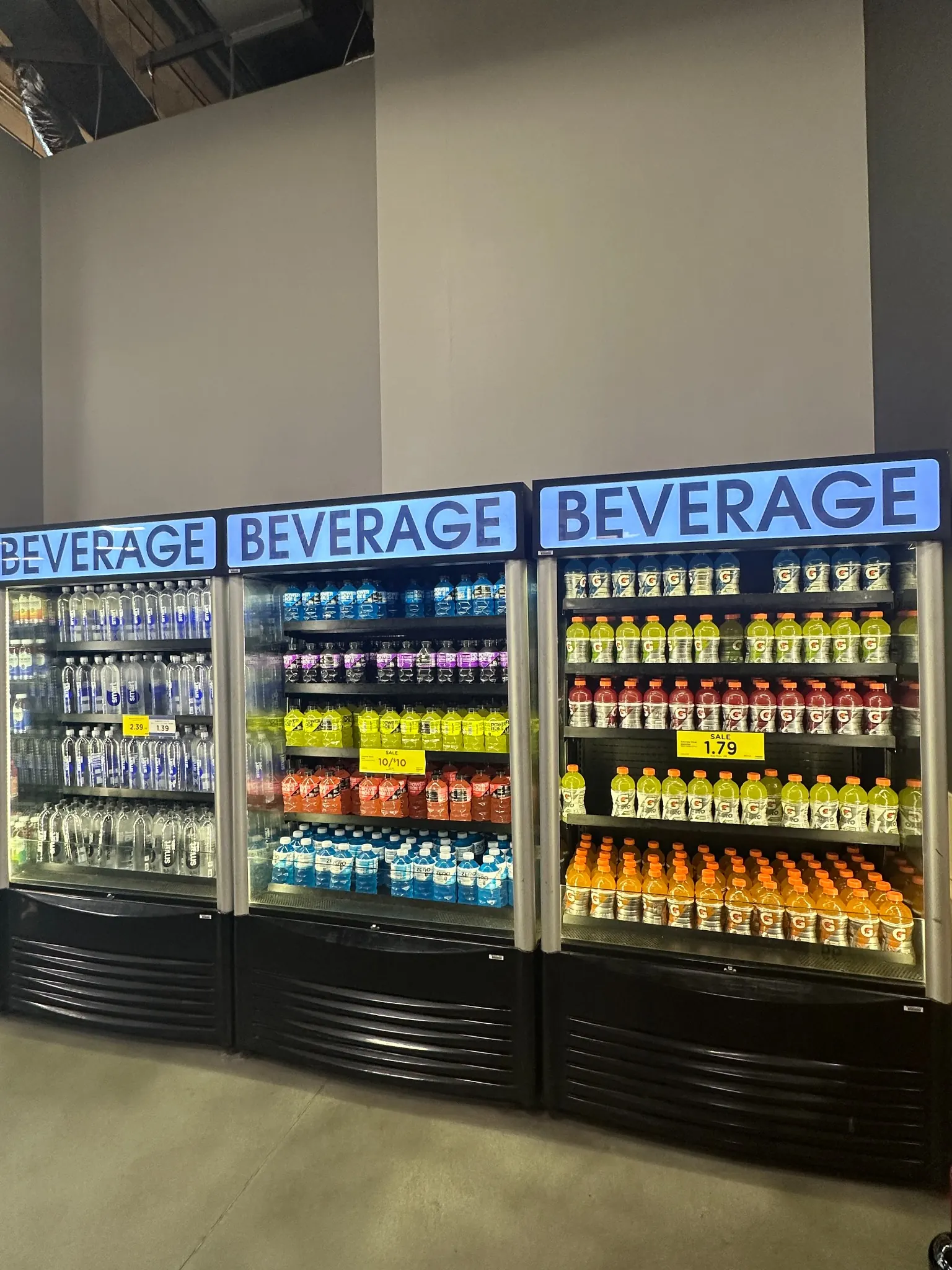
In Latin America, the gap is structural and vast. Up to 70% of beverage, dairy and snack volume moves through hundreds of thousands of small independent stores and visibility there is close to zero. "Have you run it in mom and pops? You know how it is. It's a jungle," one Mexican buyer said. Another, running distribution at massive scale was blunt about why it stays dark: "We never will have enough people." You cannot audit your way across a million stores. The gap in LATAM is not a slow feedback loop. It is a channel that carries most of the revenue and generates almost none of the data.
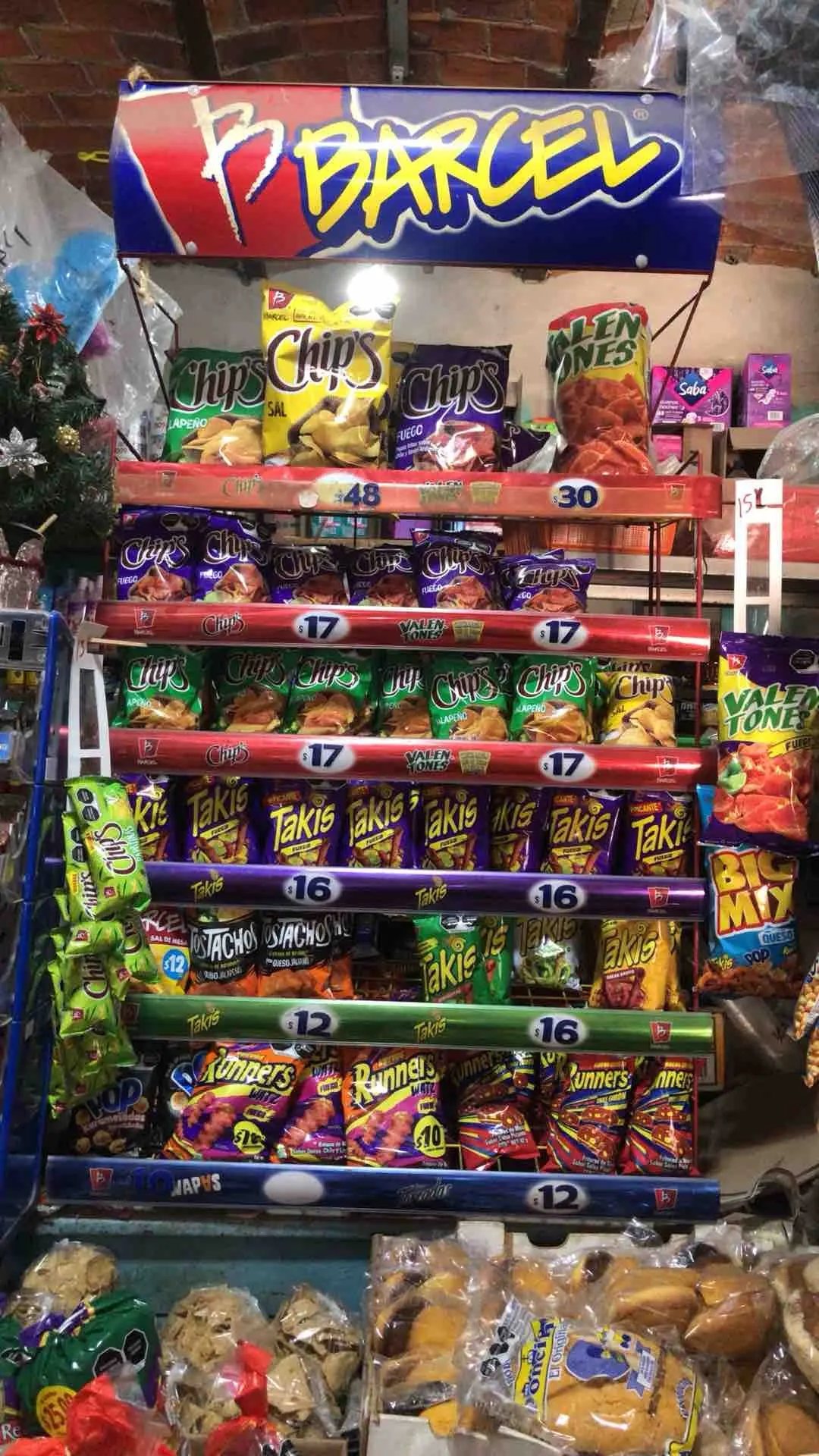
In Europe, the gap looks different again. This time the problem isn't a lack of data like Latin America. Grocery in most European markets is highly concentrated: a handful of chains and hard discounters control the majority of sales in each country and independents are a small residual. The difficulty is that there is no single Europe. There are around thirty separately concentrated national markets, each with its own leading retailers, formats, planogram logic, pricing rules and language, plus a large independent and on-trade tail.
"The percentage of supermarkets in our countries is very small compared to local trade, where we need to take the insights and act," a commercial execution lead at a pan-European bottler explained, describing the fragmented on-trade and independent channel a bottler lives on.
The European gap is not about failing to see the shelf. It’s complexity and inconsistency: one execution standard read thirty different ways and a long tail of small outlets that never rolls up into a single view. The same gap in every market, three completely different problems to solve. That’s why this is a series and not one article: one idea, told through the market each buyer actually recognises.
Why we're starting with Latin America
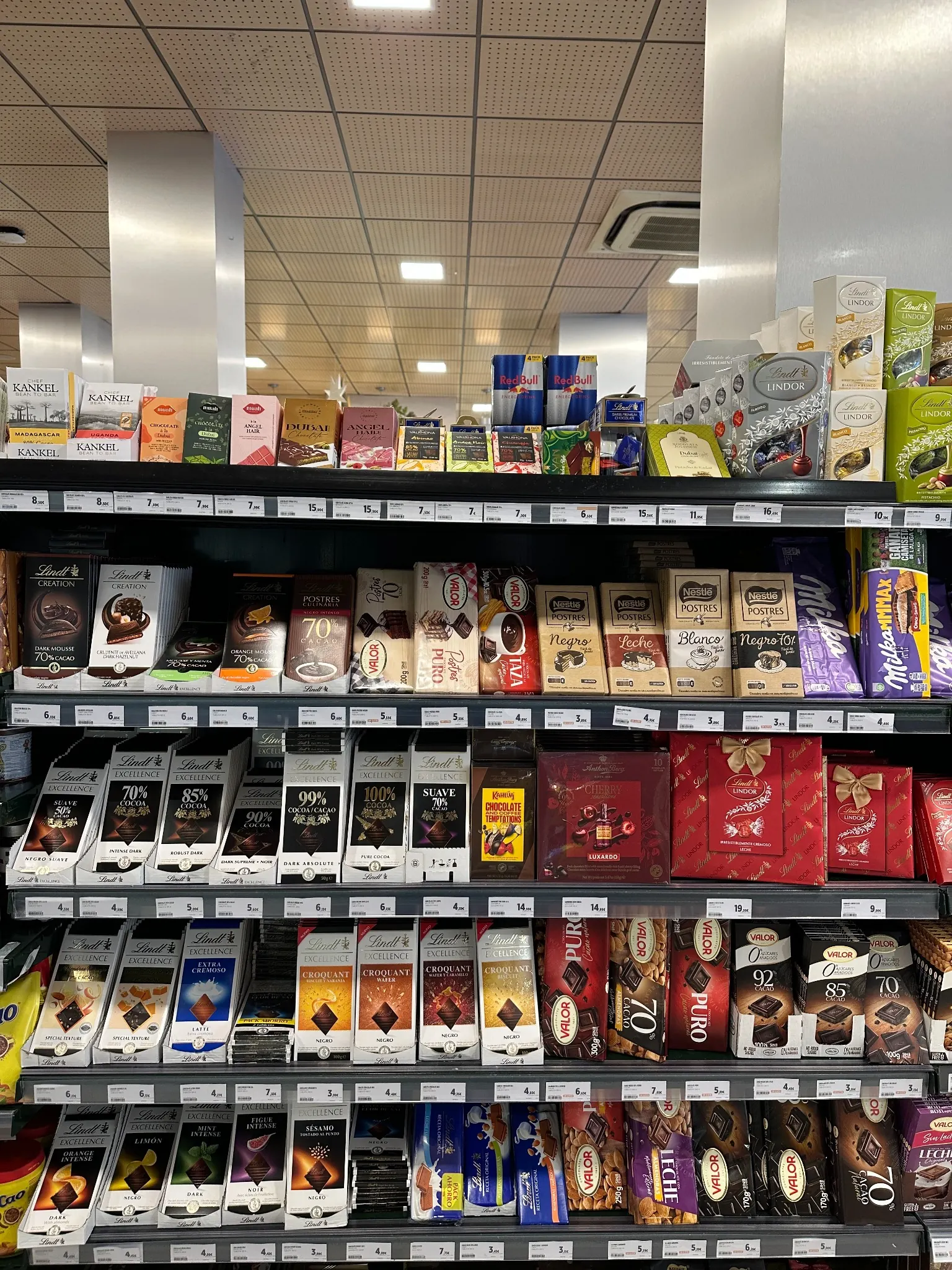
We are starting in LATAM for one reason: it is where the gap is currently widest and least discussed.
The traditional trade blind spot is enormous, the reliance on month-old third-party audits is universal and the appetite to fix it is real and immediate. A Brazilian franchise network of roughly 3,000 stores runs 17 planogram cycles a year with execution taking three days per cycle against a half-day target, store managers losing 50 to 60% of their time to execution admin instead of selling and staff turning over every three to four months under the weight of it. A Mexican CPG runs 15,000 field reps with no standardised way to see what traditional trade actually looks like. These are not edge cases, they are the norm and they are solvable now.
There is one twist worth naming up front. In this region, closing the gap is not only a question of whether you can measure the channel. It is a question of who is allowed to hold the image once you do. Store photos are increasingly treated as sensitive corporate data and in a growing number of discussions the first gate is not accuracy but data residency: can the read happen without the images ever leaving the company's own infrastructure. It is becoming a defining constraint in the region and it gets its own chapter in this series.
The US chapter follows, where the same gap shows up in a crowded, mature market with a very different competitive picture. Europe follows from there, same gap, different shape, each told by the person who sits across the table from that region's leaders.
The Execution Maturity Ladder
Wherever you operate, your execution program sits on one of six levels, from no data at all to fully connected. Most companies we meet are on 0 or 1.
The jump that pays first is from 1 to 3: from measuring the past to changing the next visit. That is where a manual 40-minute store survey becomes a sub-30-second image and where "you're missing two SKUs from this set, fix it now" replaces a scorecard that arrives after the rep has gone.
Level 5 is the frontier: connecting the front-of-store shelf signal to the back-of-store reality, backroom inventory, ordering and the data platform so Execution Intelligence flows across every touchpoint rather than stopping at the shelf. This is the direction of our work connecting execution data into a CPG's data lake, where shelf and backroom data feed one system and orders adjust to what is actually on hand rather than what was assumed. Front-store visibility tells you the display is wrong; back-end connectivity lets you fix the order that caused it.
You can't close a gap you can't see. Start by measuring yours.
The Execution Gap: 2026 Execution Intelligence Guide pulls the full picture together: what the gap costs the industry, why month-old audits keep missing it and what closing it looks like across shelf visibility, promotions and pricing, with case studies from brands already doing it.
Download the guide →
FAQ
What is the retail execution gap?
The retail execution gap is the difference between how a brand assumes its products are merchandised, priced and promoted in-store and how they actually are. In one measured case it was the difference between an assumed 90% compliance and an actual figure near 50%, on promotions that had already been paid for.
Why does the execution gap vary by region?
Because channel mix, retailer concentration, regulation and execution maturity differ by market. In the US the gap is about latency in a crowded, mature market. In Latin America it is the near-total invisibility of a traditional-trade channel that carries most of the volume. In Europe it is the dominance of local trade over supermarkets. The underlying problem is the same, the cost and the realisation are local.
Isn't image recognition already a solved, commoditised technology?
Most vendors claim around 95% accuracy, so the market treats recognition as solved. It isn't, accuracy is the cornerstone the entire insight layer rests on and holding it at scale, across millions of images and messy real-world stores, is still genuinely hard. The other half is speed and reach: turning an accurate read into a decision that lands with both the rep in the aisle and HQ in near real time. That is Execution Intelligence and it is where the gap is won or lost.
What is Execution Intelligence?
Execution Intelligence is the layer that turns in-store observation into commercial decisions: what to fix, where and by when, tied to revenue rather than to a compliance score.
Who should read this series?
Sales Ops, RGM, Trade Marketing and Supply Chain leaders who who are benchmarked against KPIs related to revenue increase, margin improvement and cost reductions.
What decides whether an execution program can even be deployed?
Increasingly, data residency. Store images are proprietary data about pricing, competitors and distribution and security teams treat them accordingly. The programs that clear the bar are the ones that can read and interpret images in place without retaining them, so the company keeps custody of its own data.

Related Resource
%20(1).png)



.svg)
Get the latest Execution Intelligence news and resources direct to your inbox
Industry insights, retail intelligence and field-tested execution playbooks, so you always know what's happening in store.
.png)

.svg)

© 2026 Neurolabs. All rights reserved

