

Planogram Compliance: What It Is, How to Measure It and What to Do Without One

November 9, 2026
A planogram is a commercial agreement drawn as a shelf. It sets which products sit where, how many facings each one gets and how your brand block sits against competitors. Planogram compliance tells you whether that agreement survived contact with the store.
When it does not, the cost is quiet but real. A hero SKU drops to the bottom shelf, a competitor reset squeezes your block, a new line never makes it onto the shelf at all and each one costs volume but most are found weeks later in an audit report.
What is planogram compliance?
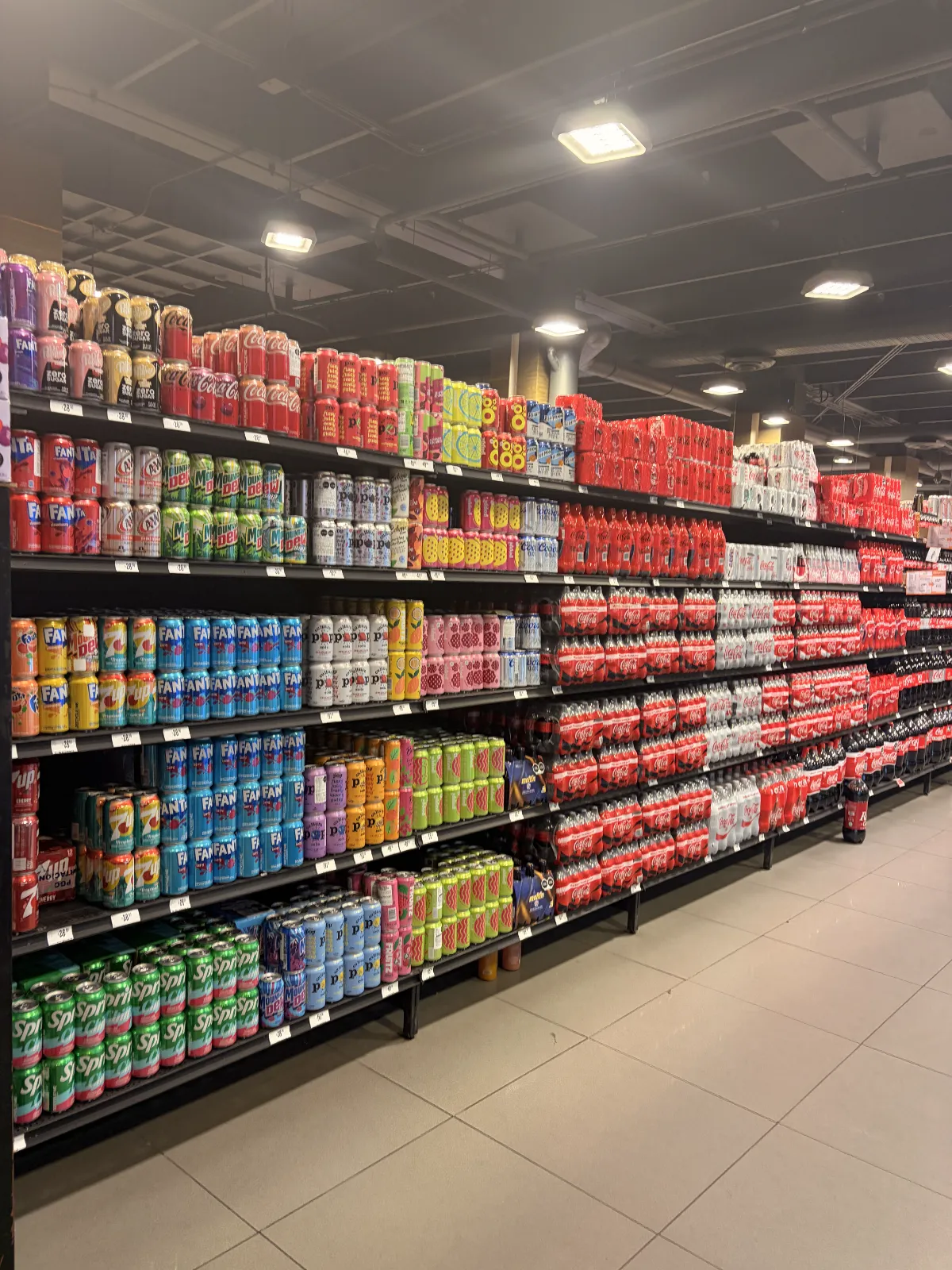
Planogram compliance is the share of shelf positions in a store that match the agreed planogram. It checks that the right products are in the right places with the right number of facings, that the brand block is intact and that contracted positions such as eye level or end-of-aisle are delivered.
It’s one of the five levers most CPG teams use in a perfect store programme, alongside availability, share of shelf, price and promotion plus secondary displays.
How to measure planogram compliance
A position matches when the right SKU is in the right place with the agreed number of facings. Most teams also track a few specific checks alongside the headline score:
- Brand block. Is your range grouped as one visible block? One biscuit brand we spoke to has made a single measured brand block across its sub-categories next year’s KPI.
- Contracted facings and position. Are the facings and shelf height you negotiated actually there? A brewer we spoke to tracks contract compliance on exactly these two measures.
- Missing and misplaced SKUs. A product on the wrong shelf is lost to the shopper even though it’s in the store.
- Competitor encroachment. Has a rival product moved into your space?
Keep the headline score simple and use these checks as reason codes. A score says how far a store is from plan but a reason tells the rep what to fix.
Why planogram compliance slips
The plan is rarely the problem, it’s execution at scale.
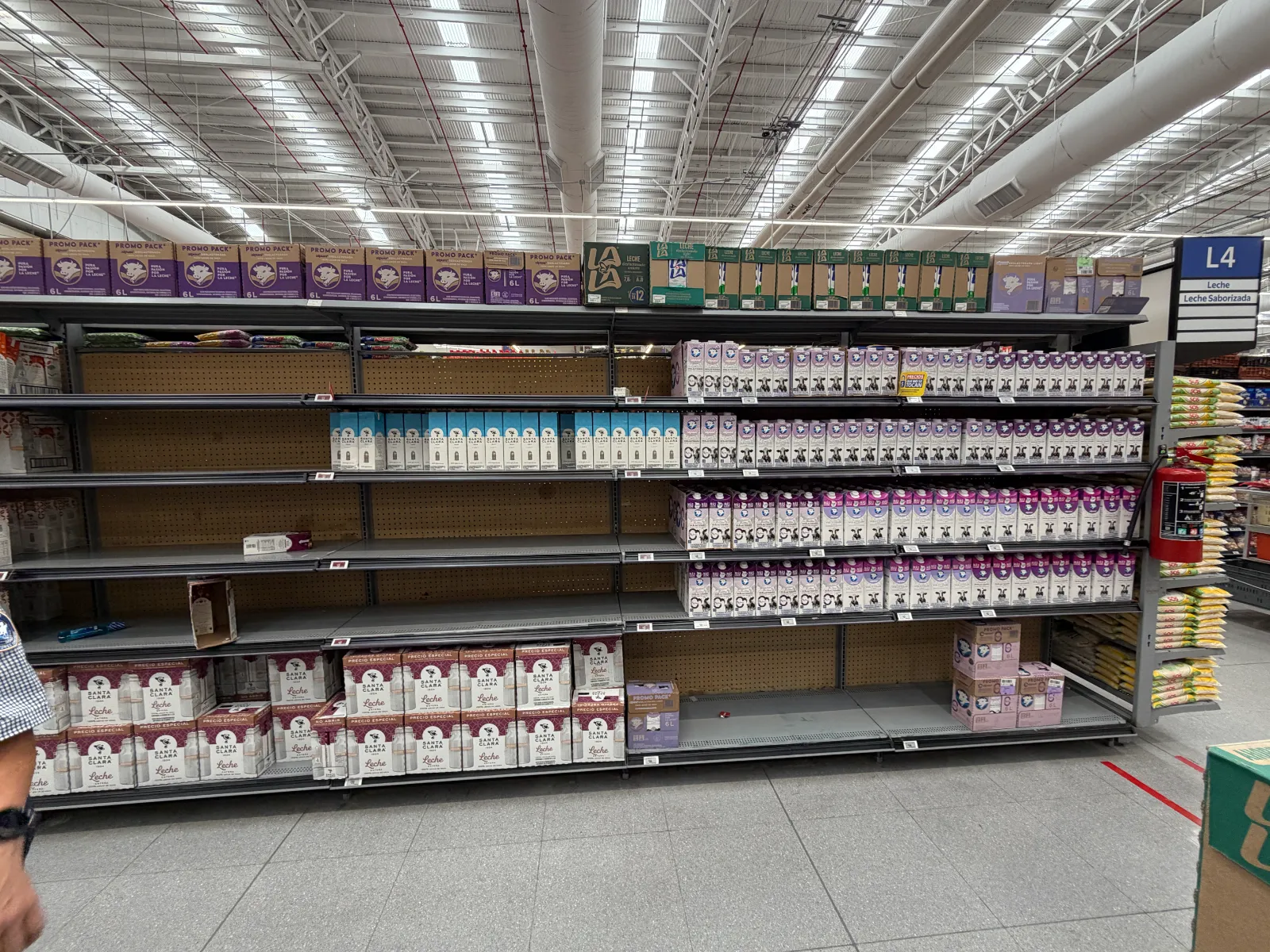
Too many planograms. Some convenience chains run thousands of store-level planograms. One beauty retailer we spoke to runs 17 planogram cycles a year across 3,000 franchise stores, distributed as static PDFs. Each cycle takes more than three days to execute against a half-day target.
Manual checks are slow. One beverage bottler audits cold vault space compliance by hand in spreadsheets at around 40 minutes per store. That time comes straight out of selling.
Results arrive too late. Store check scores that land a month after the visit grade a shelf that has already changed. The compliance gap you see is not the one in store today.
Monitoring planogram compliance with image recognition
Image recognition compares the realogram, the shelf as it actually is in a photo, with the planogram. Every position is read automatically, so a visit that took 40 minutes to audit by hand becomes a few photos. Gaps come back with the reason attached: missing SKU, wrong position, too few facings or competitor in your space.
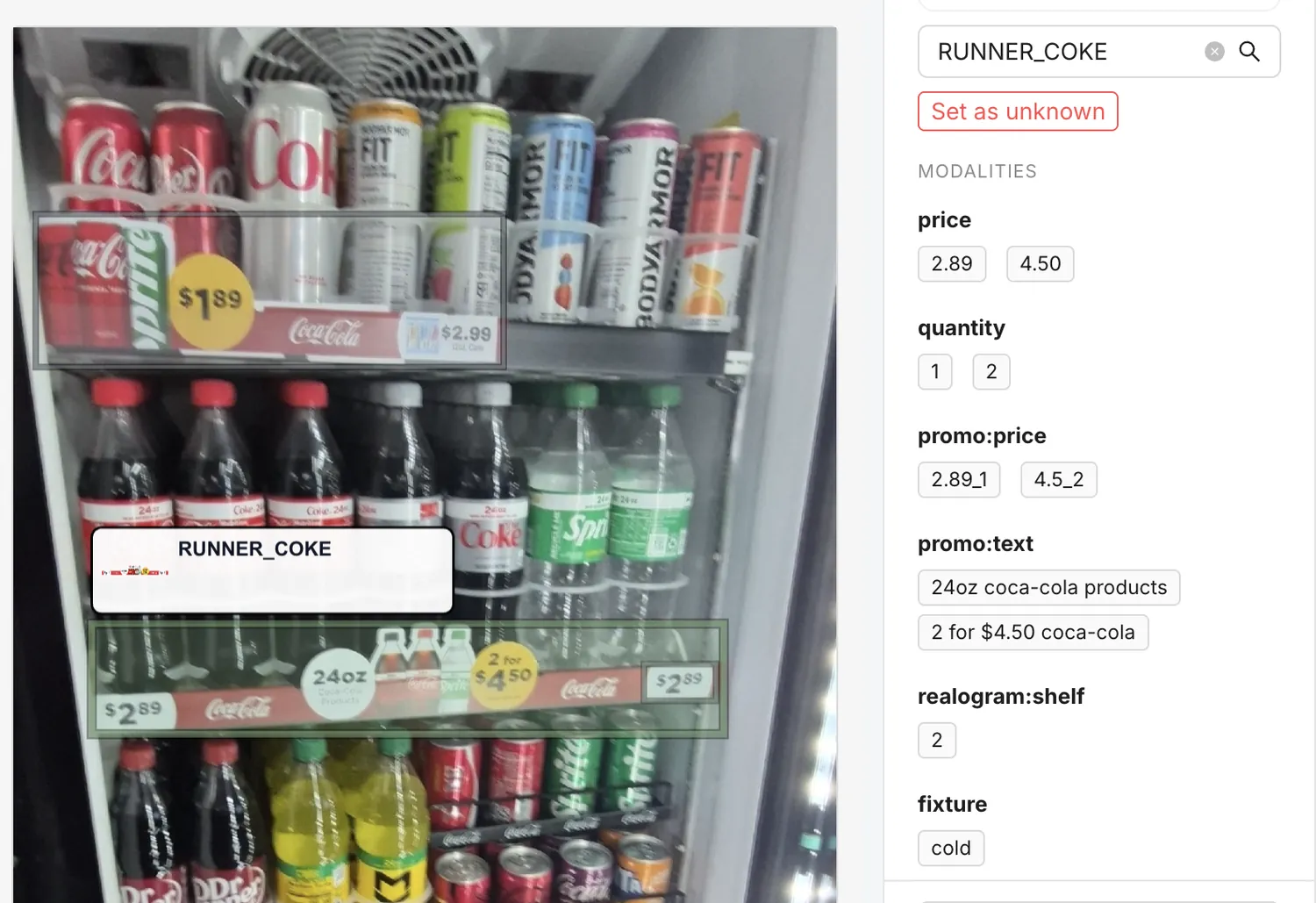
The commercial value is speed. A missing block found on Tuesday can be fixed the same week, while the shopper is still buying. That’s the difference between smarter audits and real retail execution.
What to do when there is no planogram
Many estates don’t have a planogram that holds. In traditional trade there was never one. Franchisees may ignore it. Retailers often own the planogram, so the brand cannot see or control it.
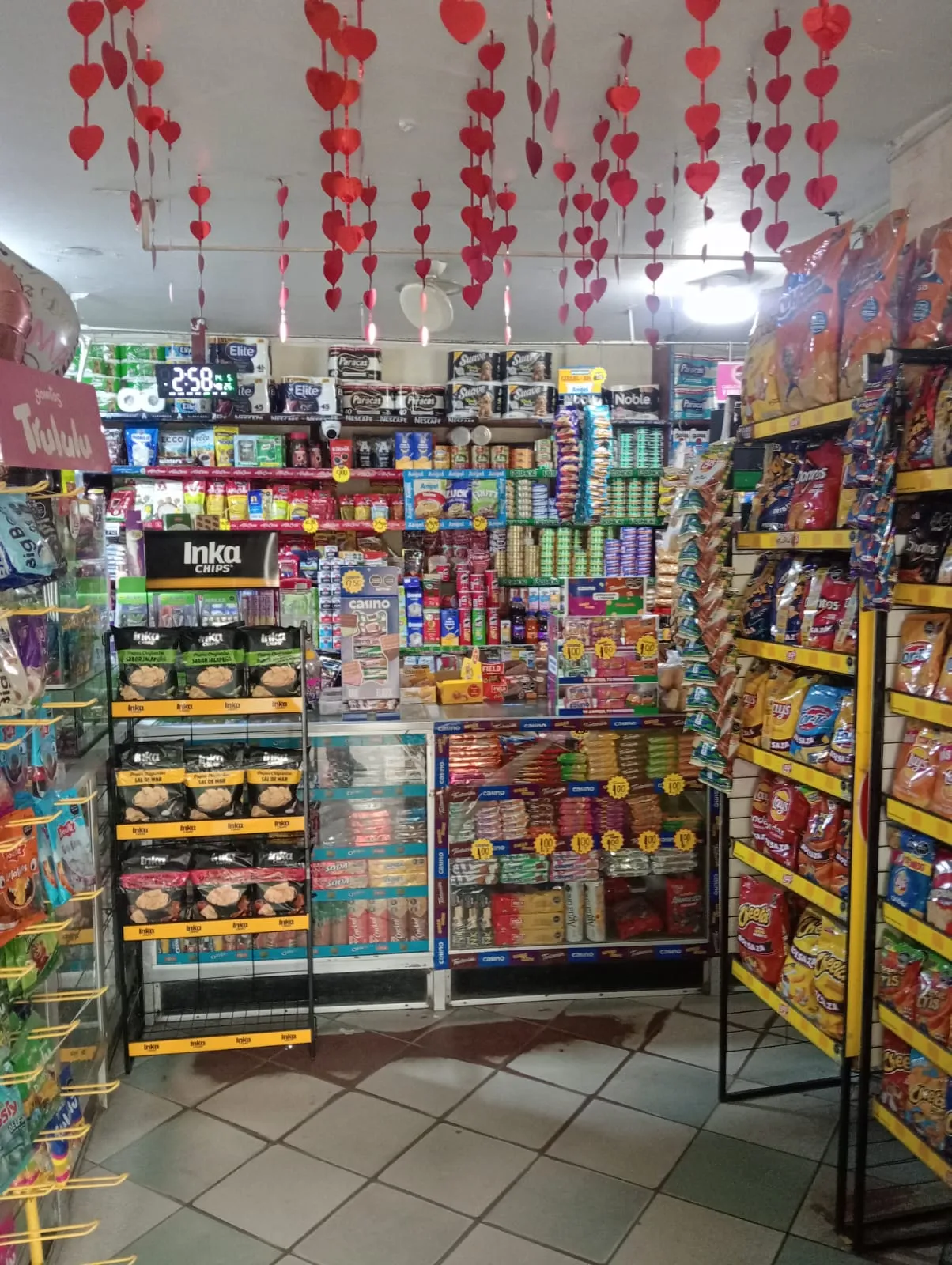
You can still measure execution:
- Measure the levers that do not need a plan. Availability, price and promotion presence can be checked without a planogram.
- Track adjacency. One spirits brand that cannot control retailer planograms tracks whether its brands sit next to the competitors it wants to be compared with.
- Make your best stores the standard. Capture the realogram of every store, compare them, find what the best-performing stores have in common, then turn that into the standard. You learn the plan from the shelves already selling.
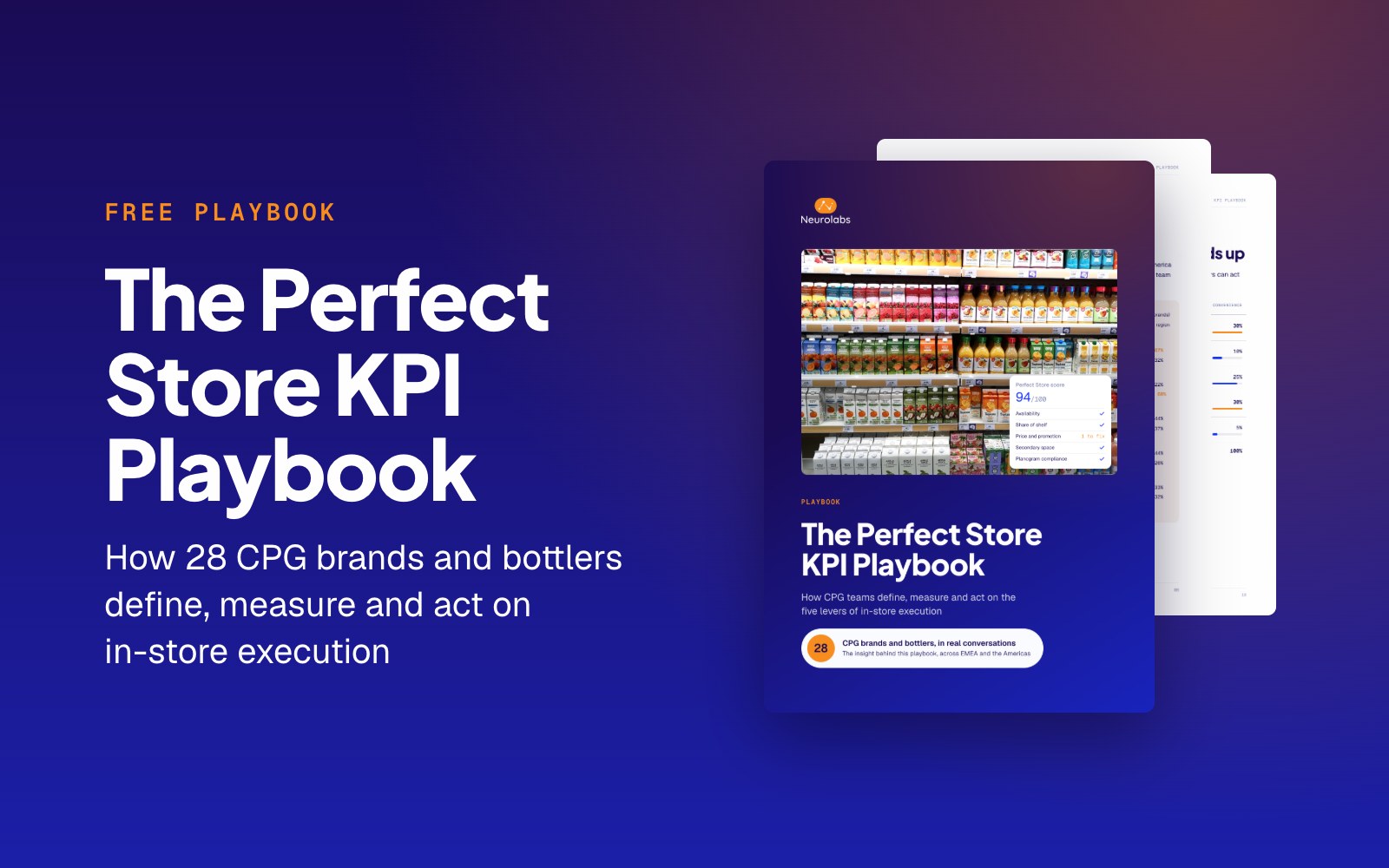
Planogram compliance is one of five perfect store levers. The Perfect Store KPI Playbook covers all five, with formulas, counting rules and a scorecard template drawn from 28 CPG brands. Download the playbook.
FAQ
What is planogram compliance?
Planogram compliance is the percentage of shelf positions in a store that match the agreed planogram: the right products in the right places with the right number of facings.
How do you calculate planogram compliance?
Divide the number of positions that match the planogram by the total positions in the planogram, then multiply by 100. Track missing SKUs, wrong positions and facing shortfalls as reason codes.
What is the difference between a planogram and a realogram?
A planogram is the planned shelf layout. A realogram is the layout as it actually is in store, usually rebuilt from photos and compliance is the gap between the two.
Can you measure shelf execution without a planogram?
Yes. Availability, price and promotion presence do not need a planogram. For layout, you can set the standard from your best-performing stores.

Related Resource


Get the latest Execution Intelligence news and resources direct to your inbox
Industry insights, retail intelligence and field-tested execution playbooks, so you always know what's happening in store.



© 2026 Neurolabs. All rights reserved

