.svg)

Retail Execution Is the Unclaimed Half of Your Databricks Investment
June 23, 2026
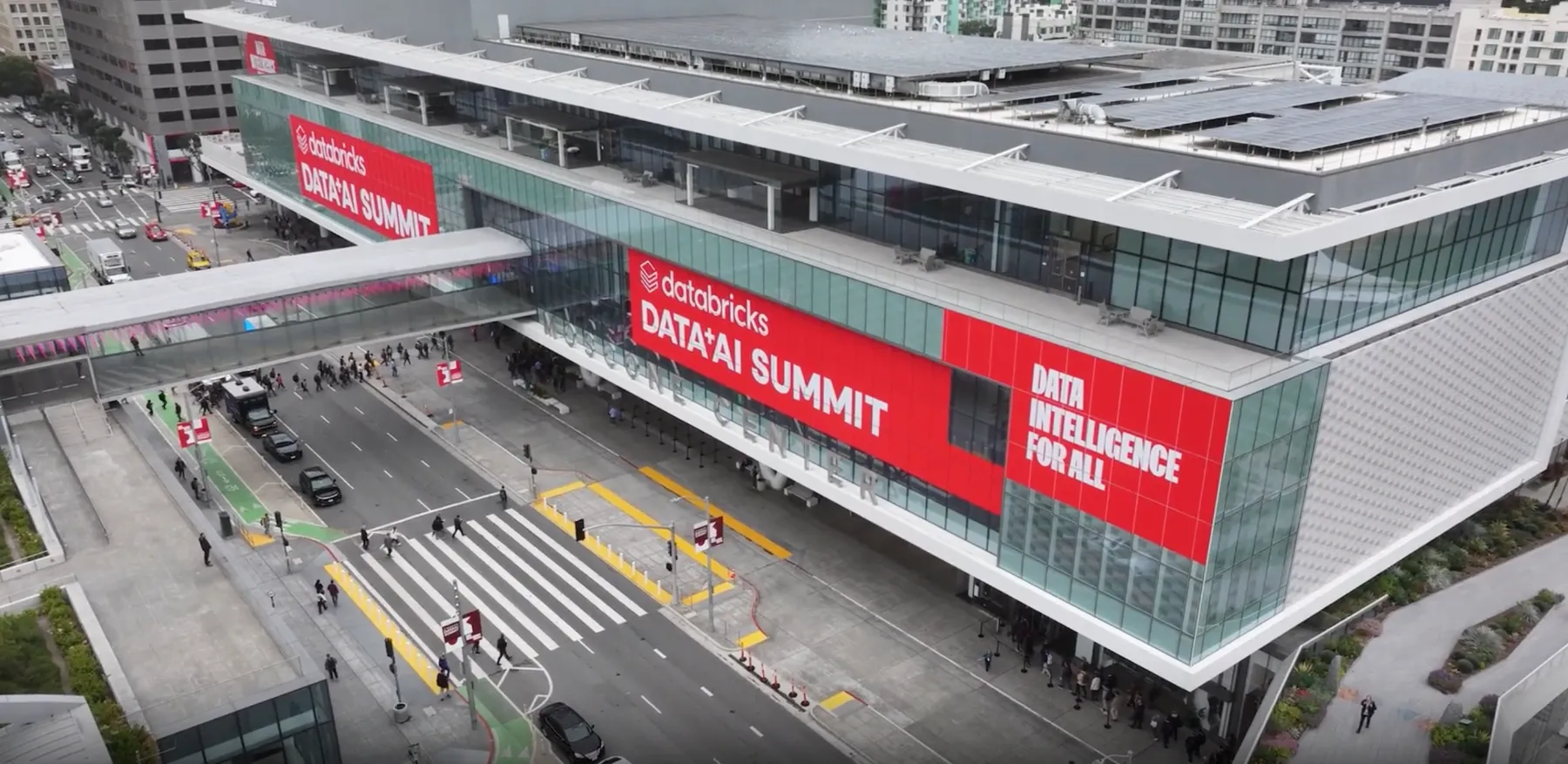
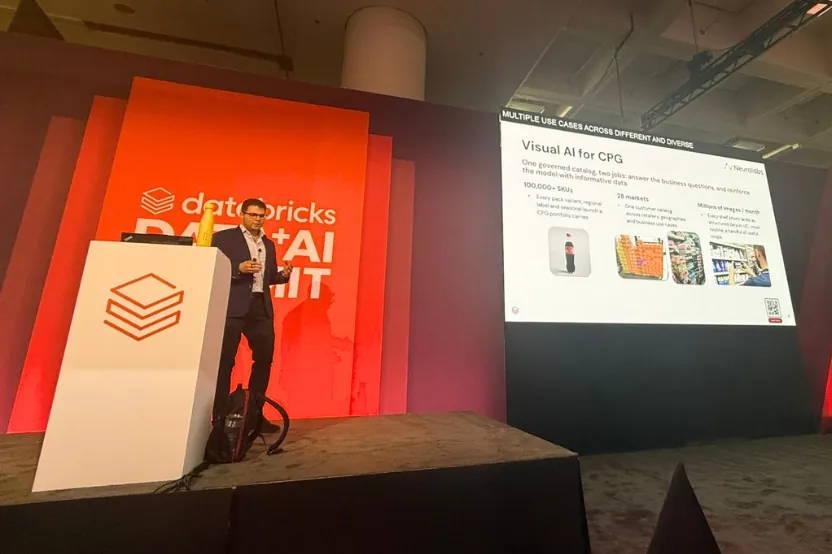
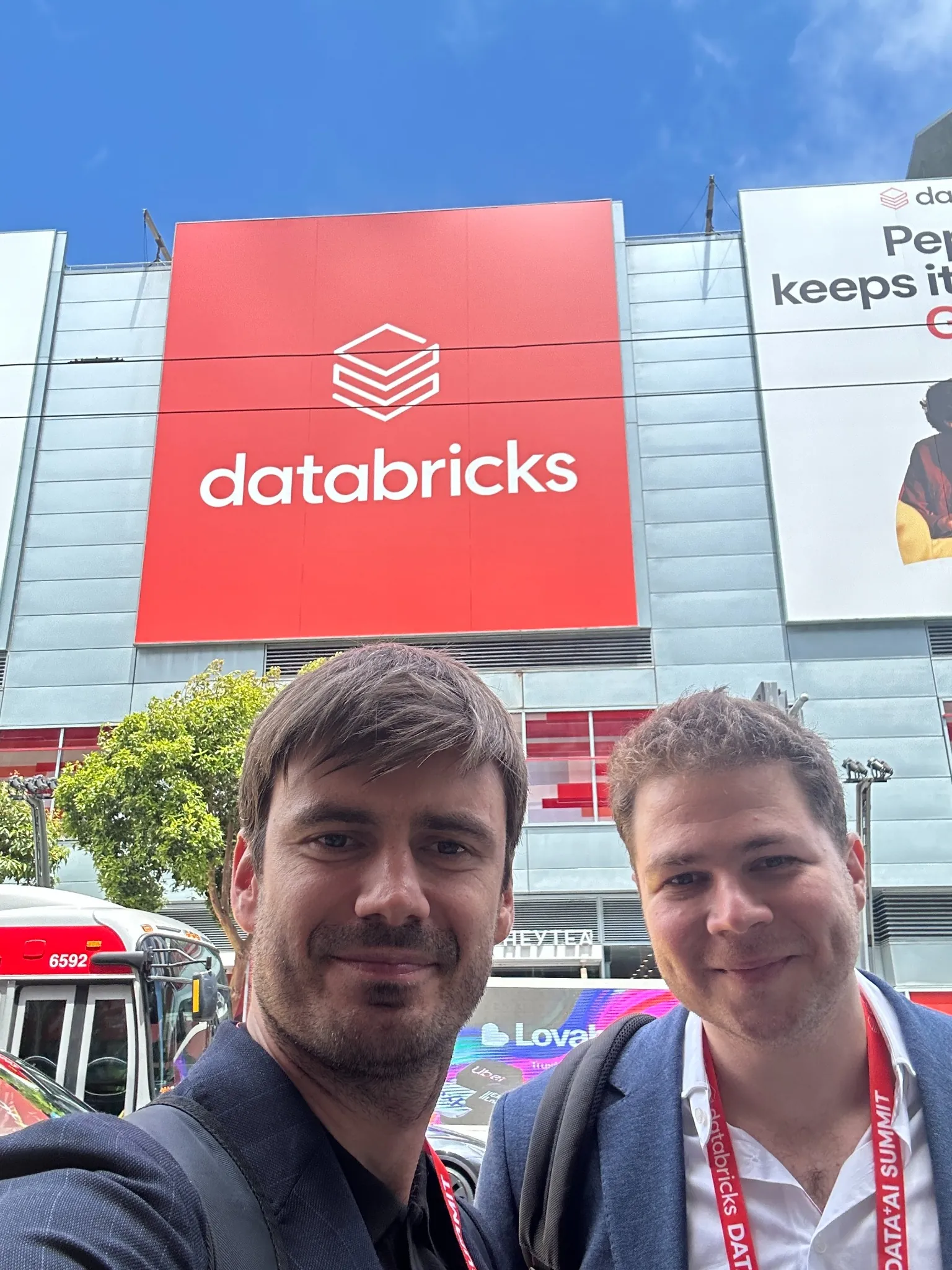
Last week our co-founders spent four days at the Databricks Data + AI Summit in San Francisco. Patric was on stage and Remus was in the room with some of the biggest CPG brands in the world. We came away with one idea worth writing down.
Companies have spent years investing in the foundations of their data stack and many CPGs have made significant progress in consolidating data, modernising infrastructure and improving access to insights but that work is still evolving. What almost no one has built is the layer that sees retail execution: what actually happens in the store. That is the missing half and it is often the half that determines whether all the investment behind the scenes translates into revenue.
Every big story stopped at the warehouse door
Across the customer presentations, one pattern was clear. The headline examples were all built on data that lives inside the business: forecasting demand, analyzing delivery routes, planning inventory and tools that let staff ask questions in natural language instead of writing code. These were serious projects. Real money, real engineering and teams that had genuinely changed how they work.
However, almost none of them connected to what is actually happening on the shelf. The brain got smarter but the eyes never got connected.
This is not a technical detail, it is where trade spend leaks. A promotion that was planned, funded and forecast still has to happen in the store. Most brands find out whether it did long after the window to fix it has closed.
Three places the gap shows up
We saw the same gap three times, in three different forms.
One global snacks and beverages leader built a forecasting tool that runs more than a hundred million calculations a week to predict what each store will sell. It is genuinely impressive. The problem is the data feeding it. The tool runs on real sales figures that are about four weeks old. A forecast is only as good as the numbers going in and those numbers are out of date.
One major bakery group built a system that tracks its delivery and sales routes and flags anything unusual. It can tell them a rep showed up at a store. It cannot tell them what the rep actually did once inside. The company even built a tool to check whether a flagged visit was real. That is a gap waiting to be filled with proof from the shelf.
One global consumer goods company runs a Perfect Store standard: the right products in stock, on the right shelf, with the right displays, with billions in sales riding on getting it right at a single major retailer. All of that is defined and planned behind the scenes. But the real question, is the store actually perfect right now, can only be answered by looking at the shelf. Verifying perfect store execution is exactly what image recognition does.
You built the brain. We are the eyes on the shelf.
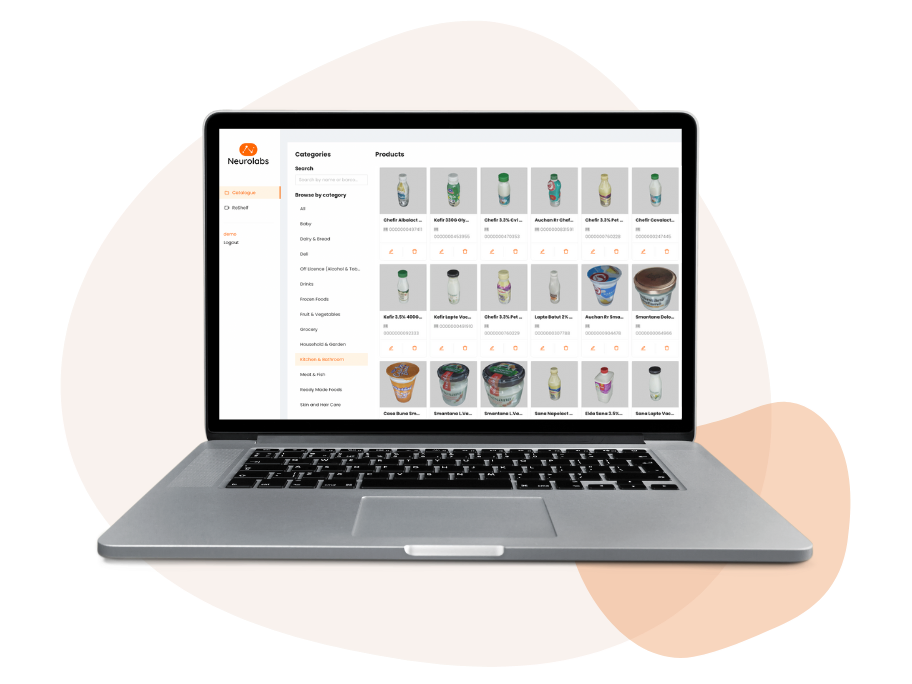
This is what Execution Intelligence does. We turn what is actually happening in the store into clear, near real-time data: whether promotions are running, whether prices are right and whether products are in stock. Then we feed that straight back into the system you already use.
Your forecast stops running on month-old numbers and starts using fresh ones. Your route reports stop saying "a visit happened" and start showing what the shelf actually looked like. Your Perfect Store standard stops being a plan and becomes something you can check, store by store.
The commercial case is simple. You have already paid for the platform, the tools and the training to use them. We add to that investment instead of starting from scratch. Same platform, same easy way for your teams to ask questions, new data that is current and tied to revenue.
Why being built on Databricks matters
The summit confirmed where things are heading. The people making these decisions are moving up the organization, from the field teams to the data and AI leaders. They think in terms of platforms, not single tools. The message that landed with one Chief AI Officer was not "buy another tool." It was "add the missing layer on top of the system you already run."
That is exactly where we fit. We work inside the platform you already manage, with the same data controls and the same plain-language way of asking questions your teams already use. Our shelf data sits right next to your forecasting and planning, not off in its own silo.
Close the loop while it still matters
If you have done the hard work behind the scenes and are still guessing what happens at the shelf, the most valuable thing you can add is current, honest data from the store itself. That is the half we own.
Get in touch to see what Execution Intelligence can do on top of what you have already built. We will walk you through the three examples above using your own categories.
Want Patric's slides from the summit, or an introduction to the team? Reach out and we will send the deck or set up a conversation.

Related Resource



.svg)
Get the latest Execution Intelligence news and resources direct to your inbox
Industry insights, retail intelligence and field-tested execution playbooks, so you always know what's happening in store.
.png)

.svg)

© 2026 Neurolabs. All rights reserved

