.svg)

Beyond the Image Recognition App: Turning Shelf Photos Into Revenue Decisions

July 17, 2026
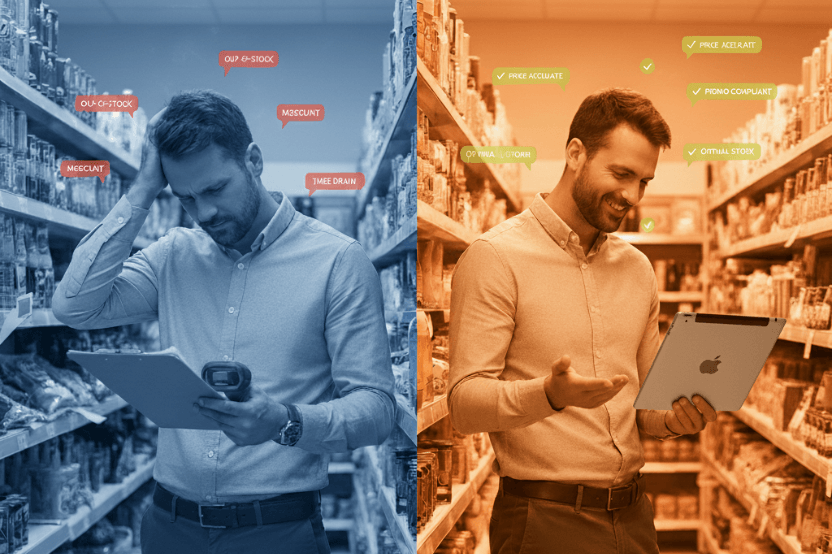
A shelf photo is worth nothing until it changes a decision. Yet the way most CPG teams think about an image recognition app stops at the photo: capture the shelf, score the facings, file the report. The capture is the easy part. The revenue lives in what you do next: whether a void gets fixed before the weekend, whether a missing display goes up before the promotion ends, whether a pricing error gets caught before it costs you a week of volume. That is where most tools go quiet.
This matters because the gap between a photo and a decision is where money leaks. A single missed execution week can cost a brand with national distribution seven figures in lost volume. An image of an empty shelf, sitting unread in a dashboard until next month's review, does not recover a penny of it. The question worth asking of any image recognition app is not "how accurately does it read the shelf?" It is "does it help me act while there is still time?"
What an image recognition app does and where it stops
At its core, an image recognition app turns a photo of a shelf into structured data. It identifies products, counts facings, reads price tags, flags gaps. Done well, this removes hours of manual auditing and gives you a cleaner, more consistent picture of the shelf than a clipboard ever could.
That is real value, but it is the start of the job, not the end of it. Recognition tells you what is in the picture. It does not tell you what to do, who needs to know, or whether the window to fix it is still open. Most apps were built to answer the first question brilliantly and the rest barely at all.
So the data is accurate and the report is tidy but the volume leaks anyway because a perfect read of a shelf you can no longer influence is a record, not a signal. The brands losing the most are not the ones with bad image recognition. They are the ones whose accurate data arrives too late to matter.
The photo is capture, not intelligence
There is a difference between capturing the shelf and understanding what it means commercially.
Capture is the photo and the read: facings, prices, gaps, presence. Intelligence is the layer on top. It connects that read to the plan you sold into the retailer, to the promotion that is meant to be live, to the stores that actually drive your number, then to the person who can put it right today. One is a measurement, the other is a decision waiting to happen.
A field team can capture thousands of images a week. Without that intelligence layer, those images become a backlog to process rather than a set of actions to take. The shelf gets photographed beautifully and managed barely at all.
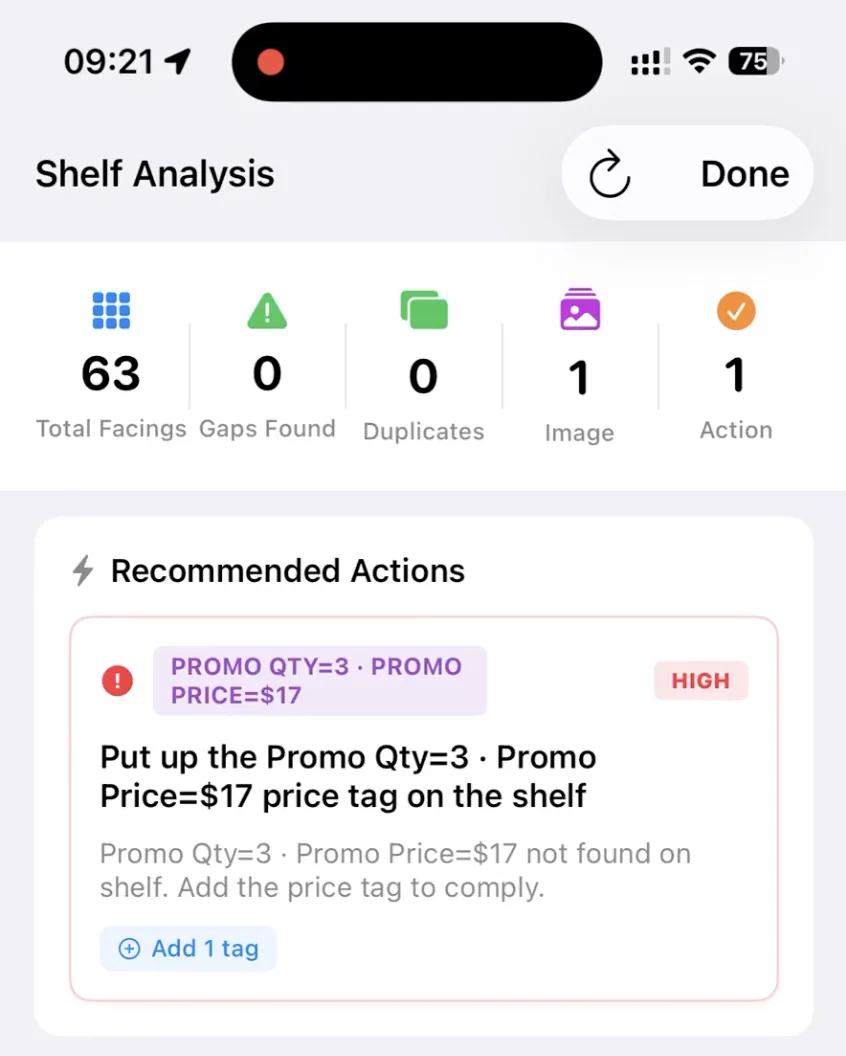
Three questions a shelf photo should answer in time
A shelf image earns its keep when it answers three commercial questions while you can still respond to them.
Is the product on shelf, right now, in the stores that matter? On-shelf availability is the most direct line between the shelf and lost revenue. Industry estimates put lost sales from out-of-stocks and poor shelf conditions at around 8% of revenue (IHL Group: Retailers and the Ghost Economy (out-of-stock / lost sales). Most of it never surfaces because a void leaves no transaction to investigate. An image recognition app that flags the gap in near real time turns silence into a recoverable sale.
Did the plan actually reach the shelf? Distribution, share of shelf, placement and promotion compliance are bets you made when you built the plan. A shelf photo is the only way to confirm the bet paid off store by store, rather than assuming the national average held everywhere.
Who needs to act while the window is still open? This is the question recognition alone cannot answer. A gap caught on Friday and routed to the right person is a fixed shelf by Saturday. The same gap surfaced in a monthly review is a post-mortem.
Answer those three in time and the photo stops being evidence of a loss and starts preventing one.
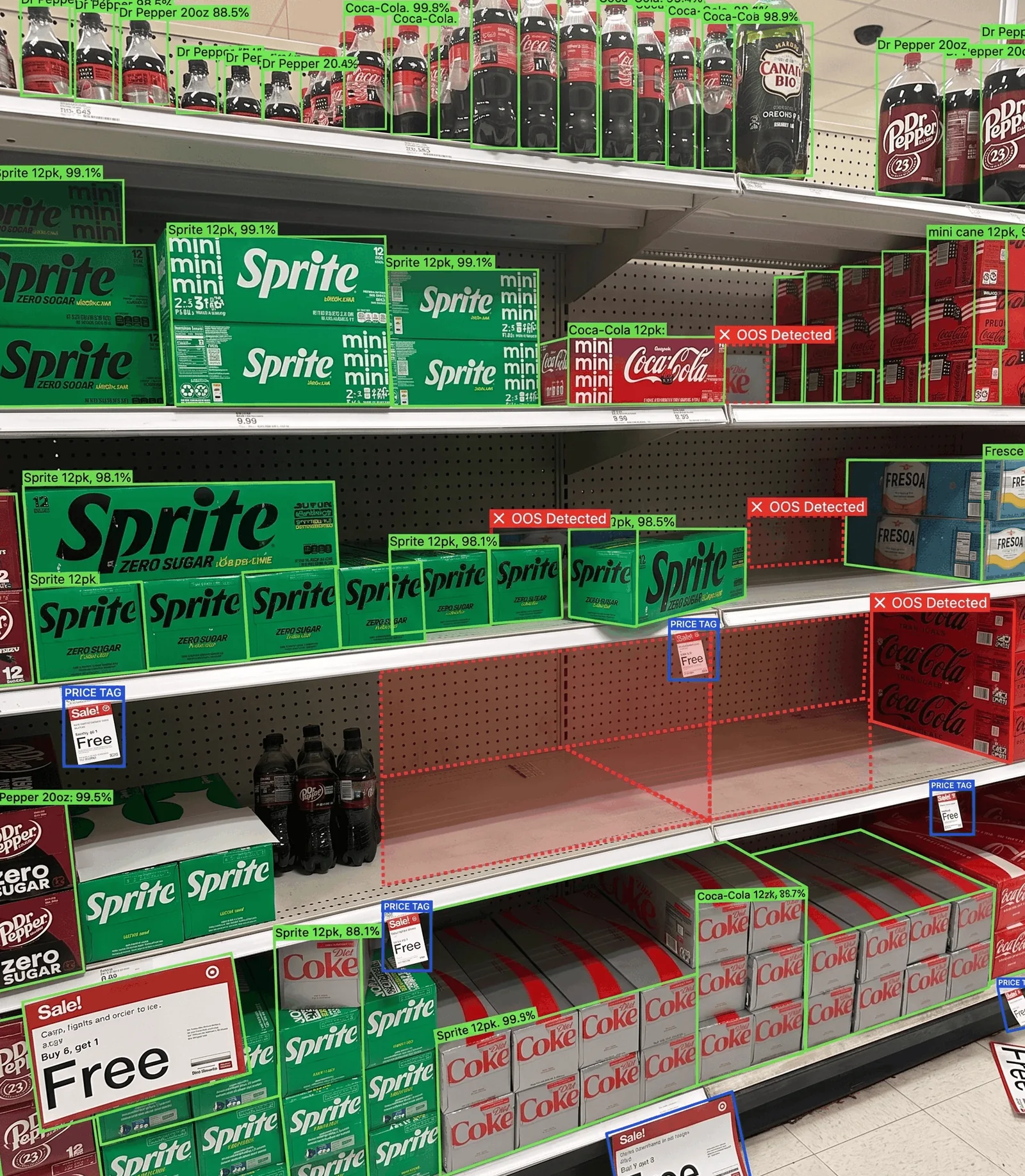
From image recognition app to revenue decision
The shift is from reading the shelf to acting on it. An image recognition app gets you the read. Turning that read into a revenue decision takes three things most standalone apps leave out.
Coverage that reflects reality, not a sample. A handful of stores tells you about a handful of stores. Commercial plans are national, so the evidence behind them has to span the stores that drive the number, not just the ones a field rep reached this cycle.
Timeliness you can act on. Data that lands days after capture is a record. Data that lands in near real time is a signal you can still do something about. The value of a shelf read decays fast. The whole game is catching the gap inside the same selling window.
Evidence that ends the debate. Image-level proof of availability, pricing and compliance changes the retailer conversation. You are no longer arguing about whose number is right. You are agreeing what to do about a shared, verifiable picture of the shelf.
This is the layer we call Execution Intelligence: the connection between what your commercial team planned, what the shelf actually looks like, then the action that closes the gap while it still counts.
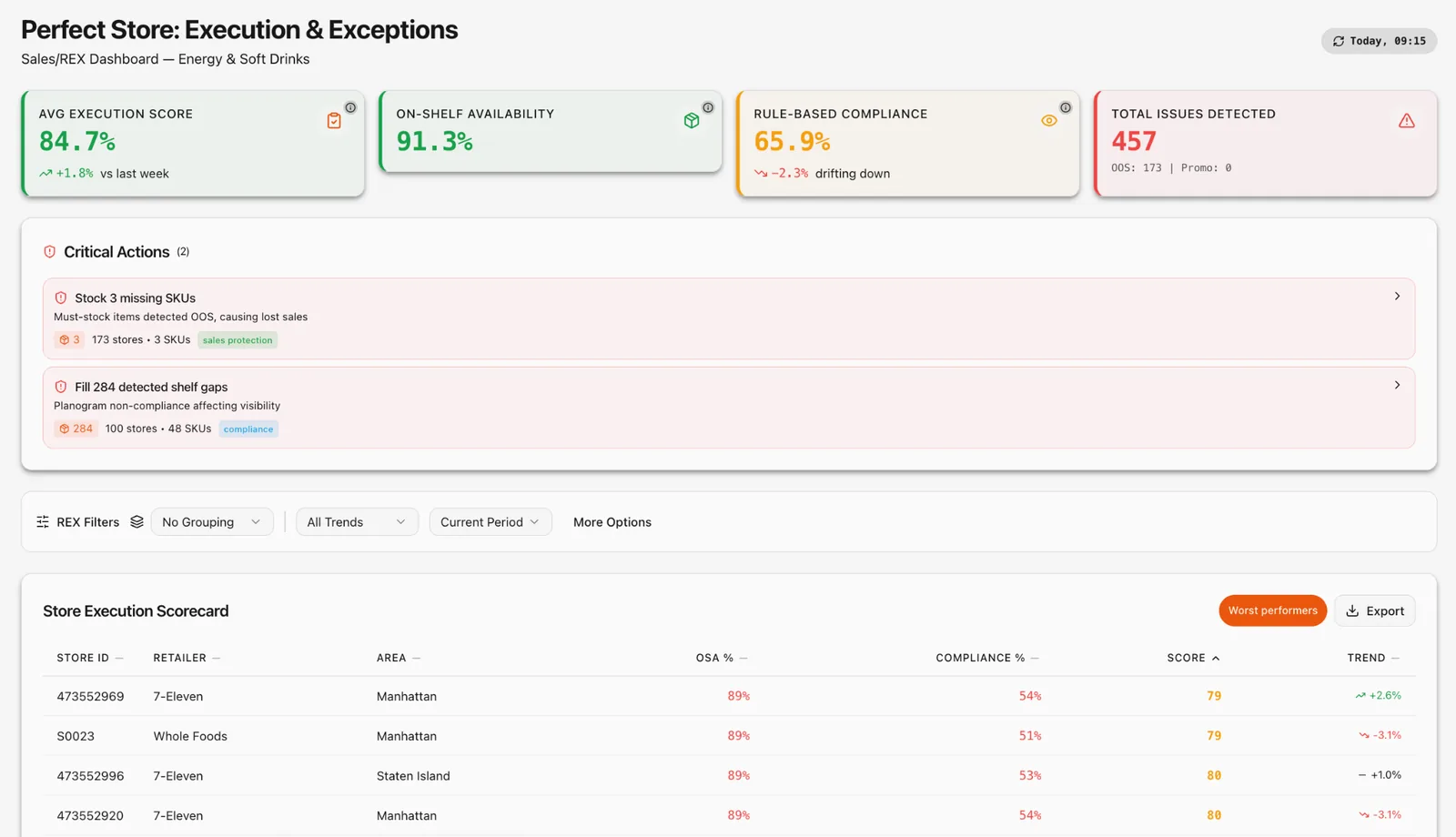
It strengthens your field tools without replacing them
None of this means abandoning the image recognition app. Capture is a genuine strength. A fast, accurate read is the foundation everything else is built on. The point is to stop treating the photo as the finish line.
Your category plans, your promotion calendars and your pricing strategy all assume the shelf reflects what was agreed. They have no way to confirm it. Execution Intelligence supplies the ground truth they are missing, so an empty shelf becomes a fixed shelf, a missing display becomes a display that goes up, a photo becomes a decision that protects the number.
Execution Intelligence also works best when it lives where your team already works. The most useful place for it is not another standalone app or dashboard to check, but inside the retail execution tools your field team already opens every day. When the shelf read, the flag and the fix sit in the same workflow, action happens during the visit rather than in a review opened weeks later. A separate image recognition app is one more login. Intelligence built into the execution app is a decision the rep can act on before they leave the store.
The brands pulling ahead are not the ones taking the most pictures. They are the ones turning each picture into an action fast enough to change the outcome. An image recognition app that only describes the shelf is documenting the loss, the job is to prevent it.
See what your shelf photos are really telling you
An image recognition app can show you the shelf. The harder question is whether you can act on what it shows while it still matters. Execution Intelligence gives commercial and field teams objective, near real time visibility into availability, share of shelf, pricing and compliance across the stores that drive your number, so every shelf photo becomes a decision, not a record.
Learn more about Execution Intelligence or request a walkthrough to see what your shelf really looks like, store by store, while you can still act on it.
Frequently asked questions
What is an image recognition app used for in retail?
A retail image recognition app turns a photo of a shelf into structured data, identifying products, counting facings, reading prices and flagging gaps. It replaces manual auditing with a faster, more consistent read of on-shelf availability, share of shelf, pricing and planogram compliance. Its commercial value depends on how quickly that read reaches someone who can act on it.
Is an image recognition app enough to improve retail execution?
Not on its own. Capturing and reading the shelf is the first step but it does not tell you what to fix, who needs to know or whether the window to act is still open. Real improvement comes when the read is connected to the plan, delivered in near real time and routed to the person who can correct the shelf before the selling window closes.
How does image recognition turn into a revenue decision?
By pairing an accurate shelf read with broad store coverage, near real time delivery and image-level evidence. That combination lets commercial teams catch a void, a missing display or a pricing error while there is still time to recover the sale, rather than reviewing it after the campaign has closed.

Related Resource
%20(1).png)


.svg)
Get the latest Execution Intelligence news and resources direct to your inbox
Industry insights, retail intelligence and field-tested execution playbooks, so you always know what's happening in store.
.png)

.svg)

© 2026 Neurolabs. All rights reserved

